Table Of Content
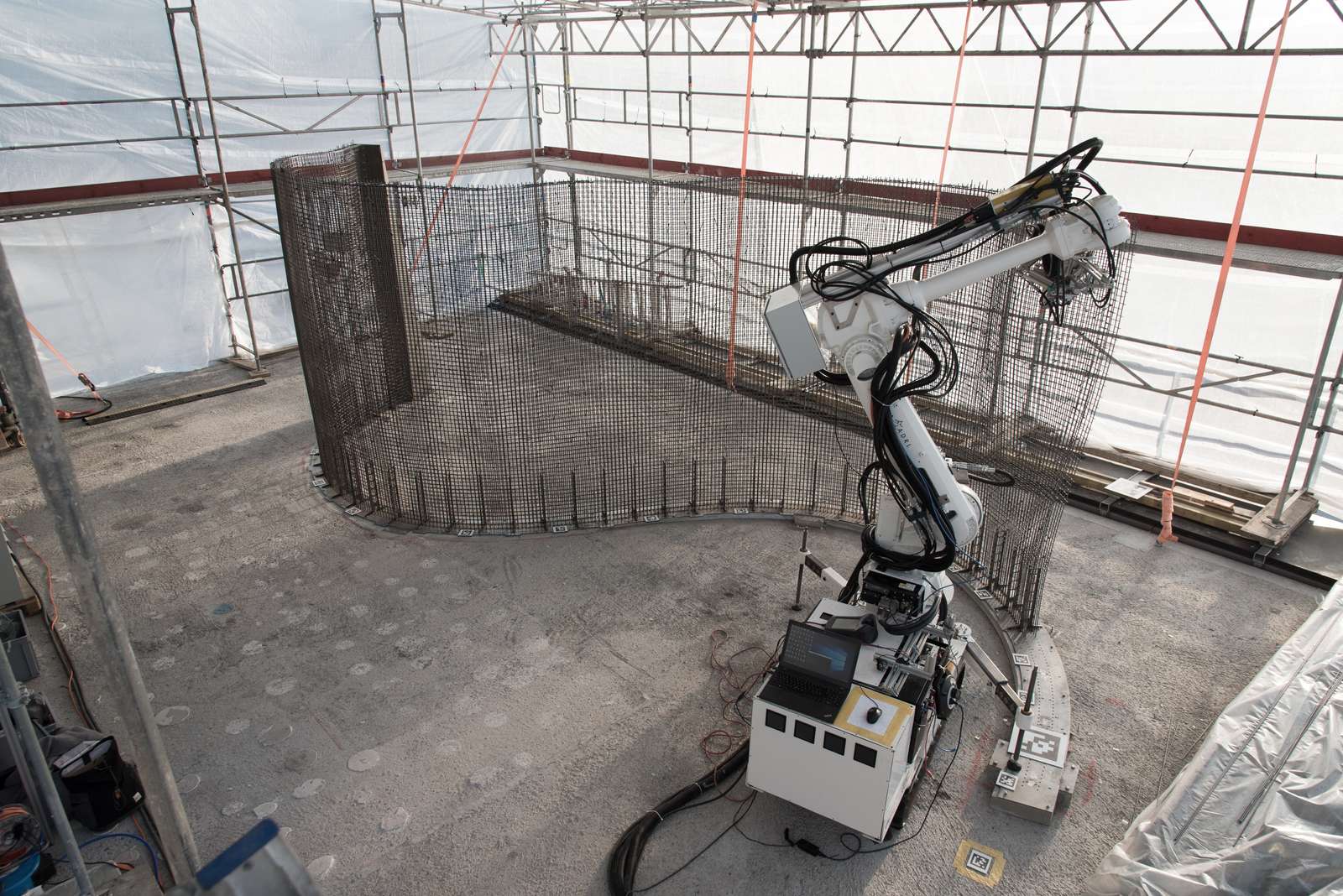
There are many advantages to using a 3D printer to build a tiny house, but also many disadvantages. In 2023, industrial-sized 3D printers are able to print an entire home in less than 24 hours for a tiny house at 225 square feet or less. Additionally, this estimate does exclude any pauses taken for second round error corrections, setup time needed for the framework and scaffolding, or any additional installations completed after the home is printed. 3D printed houses can be made out of a variety of materials including concrete, recycled plastic, rice waste, mud, sand, or even soil.
WASP
With over $451 million raised since it was founded, Icon has led the charge in the 3D printed home construction industry. ICON’s Vulcan II printer 3D printed each of these homes with support from Texas nonprofit, Mobile Loaves & Fishes (MLF). In the spring of 2020, a group of individuals moved into the homes, making them the first people to live in a 3D printed house in the U.S.
Best 3D Printers for Miniatures & Terrain in 2024
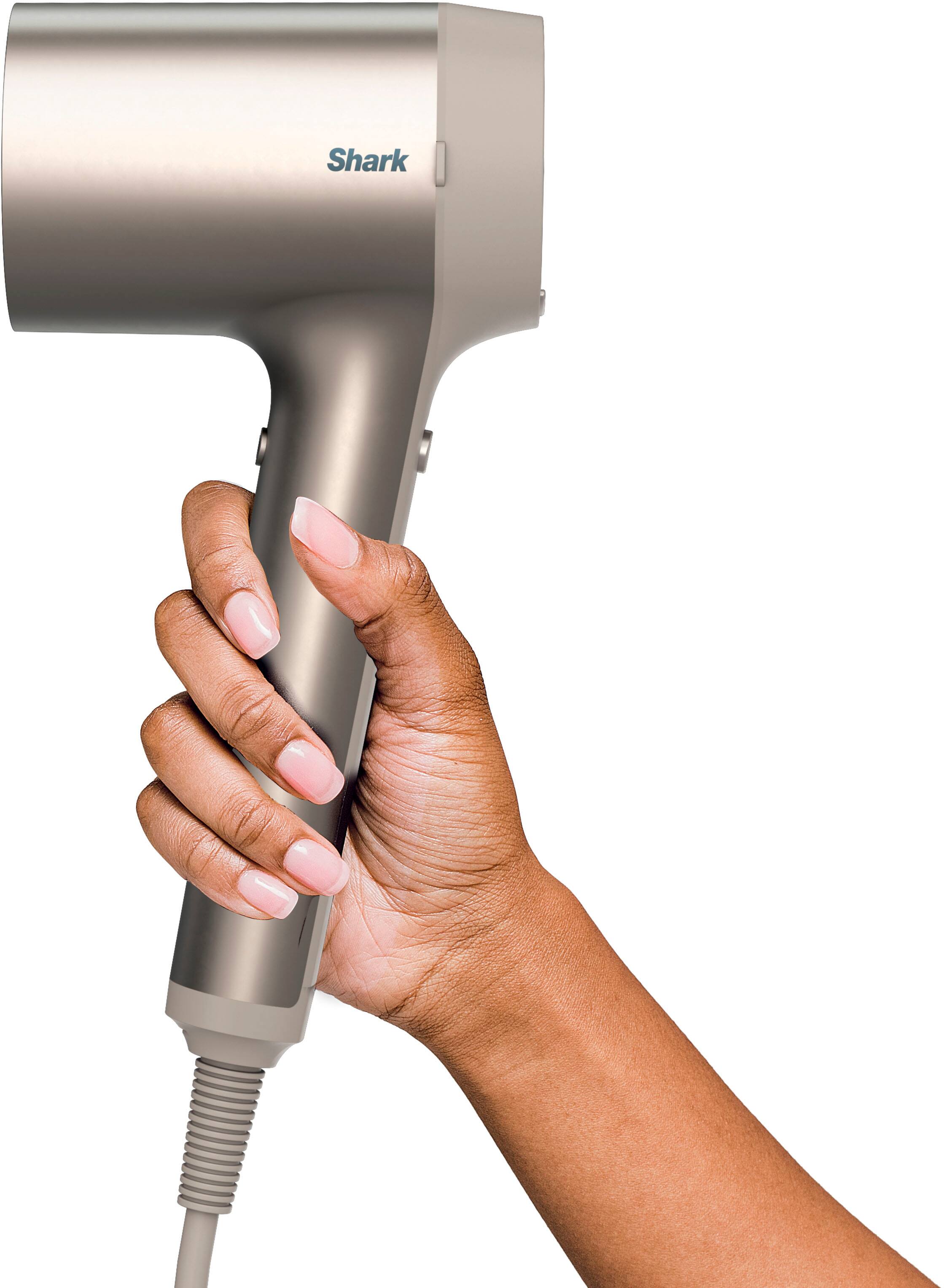
If you hear of an exciting or innovative building project, there is a high likelihood it will involve Dubai. Dubai have been championing ambitious architectural projects for years, and have recently made the bold move of aiming to have 25% of new buildings 3D printed by 2030. We also discuss the key advantages of 3D printing houses versus traditional housebuilding later on in the article. The SQ4D 3D printer boasts low power consumption, comparable to that of a standard hair dryer.
World's largest 3D printer can build a small house in 80 hours - Interesting Engineering
World's largest 3D printer can build a small house in 80 hours.
Posted: Wed, 24 Apr 2024 09:54:00 GMT [source]
Video: Giant robotic arm 3D-prints a two-story house
Based in the USA, ICON are backed by Paul Graham’s legendary tech incubator and investment wing Y Combinator, and have ambitious goals to build exciting buildings all over the world with their powerful Vulcan II house 3D printer. These successfully 3D-printed houses certainly point the industry in the right direction and even though there’s still a lot of potentials to be explored in other markets – it’s clear that 3D construction printing is here to stay. Project Milestone — which consists of five 3D-printed concrete dwellings — was the world’s first commercial housing project in its medium, with full intent to legally house residents. The first of these 1,011-square-foot dwellings was printed in 120 hours on-site as 24 separate parts. Matching their backdrop of Eindhoven, a techy city in the Netherlands known for its cutting-edge design, Project Milestone houses resemble elongated boulders with smooth, rounded edges.
Some variation of concrete is most common, but industrial printers can work with lots of different materials. The University of Maine Advanced Structures and Composites Center (ASCC) unveils BioHome3D – the first 56-square meter 3D-printed house made entirely with bio-based materials on the world’s largest polymer 3D printer. 3D-printed houses are revolutionizing the way we think about home construction, offering a sustainable, cost-effective, and highly customizable alternative to traditional building methods.
What are the advantages and disadvantages of 3D printed houses?
That includes scaling up its 3D-printed home technology using bio-based materials to eventually demonstrate how printed neighborhoods can offer an avenue to affordable housing to address homelessness in the region. WinSun claim to have sold more than 100 3D printed homes, using their FDM-style construction 3D printers that extrude cement and sand materials to build walls. More recently, WinSun also worked in Dubai Future Foundation to 3D print the “office of the future”, a picturesque concrete office that would look at home in Blade Runner or similar sci-fi future world.
Best 3D Printers For Beginners in 2024
That could shave off about US$25,000 for a build of a typical American home, says Icon. One of the main challenges in designing a 3D construction printer with a head attached at the end of a swinging arm was creating the accuracy needed to build livable structures. Icon was able to develop a stabilization system that could prevent the extruding nozzle at the end of the arm from swaying from its own movements or winds from the environment.
Changing the safety in building.
It’s important to note that additive construction work sites are not entirely autonomous. Aside from the setup and breakdown of the equipment, human oversight is necessary to ensure there are no technical hiccups. Specialists must be on-site to cut holes for second-fix installments, such as plumbing, electrical wiring, doors and windows. Made from a stone composite material, the walls are said to join together like Legos, according to Palari CEO Basil Starr.
Only specialists are able to do this right now, but the ability to DIY these is likely to be coming around the corner in the future. After the instructional code is set, the 3D printer will then do exactly what it’s told and manufacture the foundation and outer walls of the house, layer by layer. The process looks kind of like a giant tube of toothpaste squeezing out line after line of wet concrete.
These governmental institutions are going to want a return on their investment, so the printer will also likely be used to whip up lightweight rapidly deployable vessels, like submarines and other maritime vehicles. Most of the stuff it makes is recyclable, so “you can basically deconstruct it, grind it up if you wish” and “do it again”, according to Dr. Habib Dagher, the Director of the Advanced Structures and Composites Center at the University of Maine. It can dynamically switch between printing techniques to suit different aspects of complex jobs. The printer can flip between large-scale additive manufacturing, subtractive manufacturing, continuous tape layup and robot arm operations. These technologies make the printer uniquely suited for a number of industries, including housing, infrastructure and the development of military vehicles. The BOD2 is a gantry-style 3D printer for construction made by COBOD in Denmark.
This will be the new home of both printers, with a primary aim to “facilitate and scale up more sustainable manufacturing practices.” It will also likely house even larger printers in the future. The BOD2 boasts an extremely fast print speed and can be used with a variety of materials. The printer size can be configured according to the size of the project thanks to the modular design of the support trusses used by the printer. The printer can also compensate for uneven surfaces, making it suitable for a wider range of construction applications. This modular system means that a potentially infinite print area can be reached and printed simultaneously. A disadvantage of the Crane WASP is that you either need to buy multiple printers to increase the print size, or you need to reconfigure the printers that you do have periodically to eventually cover the required print area.

There are several actions that could trigger this block including submitting a certain word or phrase, a SQL command or malformed data. If you prefer a home with more bells and whistles as your primary residence, you may still want to consider a 3D-printed home as a second home. However, these homes tend to be pretty basic and may not offer all of the amenities you would want in a full-time residence. The University of Maine's first 3D-printed home sits on Oct. 12 in Orono, Maine. After they’re connected, both the printer and printer head are calibrated to prepare them for action. To me, the best office design inspiration in a 3D home is one filled with simple décor like plants and lots of natural light.



No comments:
Post a Comment