Table of Content
Pellet manufacture requires quite a bit of energy, both for drying damp feedstock and for running the various pieces of machinery. Large plants typically burn a portion of their feedstock to provide heat for drying, whereas smaller facilities often use other means. As a rule of thumb, a pelletizer requires between 50 and 100 kilowatts of electrical demand for every ton per hour of production capacity. In addition, electricity is usually needed to operate any chopping, grinding, drying, cooling, and bagging equipment that is in use. If a reliable source of electricity is not available, gasoline or diesel-based equipment is available.
The sink on natural fuel is unmatchable to that of gas, oil, and even coal. They are produced quickly by planting new trees as well as plants. Bio-pellets made from softwood are used for the animal bedding used to raise animals.
Trending Articles
You can test the moisture level of the wood using a moisture meter, which you can purchase at most agriculture stores or online. Information about our business, partnerships and campaigns, as well as photos, graphics and multimedia assets for journalists, and educational materials for schools. Deane’s primary career goal involves sharing home-related knowledge and providing self-sufficiency tools to as large an audience as possible. Place a construction-grade black plastic bag over an empty garbage can. Shredding the leaves by running over them with a lawn mower will speed the decomposition process. About 125 million hectares of native forests cover Australia today, or about 16% of its land base; that represents the world’s seventh-largest forested area.
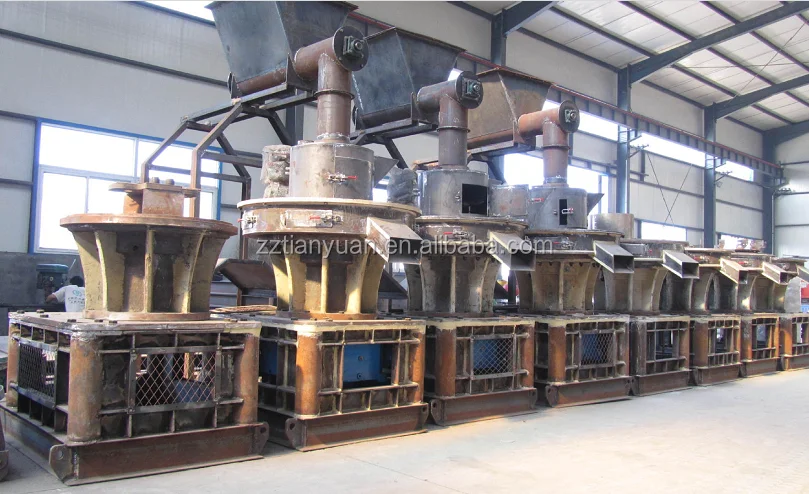
Sawdust and other waste products are no longer easy to obtain, and in some areas are simply not available at all. Not only will you need to find a customer for your product, you must also take into account that most users of fuel pellets only need supply during the winter months. However, it is valuable to note that your investment in pellet equipment will be more likely to pay off if you are able to operate the facility for a large fraction of the year. Constant operation may be necessary if you are to recoup your investment in equipment and operate in a financially viable manner.
Why pellet machine becomes popular among home users?
In addition, wood pellets can also be used in large-scale power plants to generate electricity. When burned in a power plant, wood pellets release carbon dioxide and other greenhouse gases into the atmosphere. However, wood pellets are still considered to be a cleaner energy source than fossil fuels such as coal and natural gas. A high-quality pellet is dry, hard, and durable, with low amounts of ash remaining after combustion. According to the Pellet Fuels Institute, "premium" pellets must have an ash content of less than 1 percent, whereas "standard" pellets may have as much as 2 percent ash. All pellets should have chloride levels of less than 300 parts per million and no more than 0.5 percent of fines .
If there’s wind, cover them with a mesh screen to hold them in place. For a larger batch, place the wood pieces in an industrial dryer or drum heater until the pieces are dried to the desired moisture level. The wood chips need to have a moisture level of between 11.5% and 12% before they go into the pelleting process. Anything other than this and the quality of the resulting pellets could be compromised. The chips enter a large drum, which is blasted with hot air generated in a heater powered by bark collected from the debarker. The chips are moved through the drum by a large fan, ready for the hammer mill.
Cutting and Drying the Wood
If somehow the pellet diameter is too big or too small, the efficiency of the pellet suffers, and energy usage rises as a result. Drying biomass improves its efficiency and creates nearly no smoke when burned. You can also employ high-temperature steam dryers, flashing dryers, spouted bed dryers, even belt dryers.
The opinions expressed are the author’s alone and have not been provided, approved, or otherwise endorsed by our partners. All of which is disappointing and confounding to forest advocates in Europe and Australia. But without the renewable designation, biomass development in Australia is all but dead in the water.
of the biggest TV moments in UK electricity history
Inside the wood chipper multiple blades spin and cut the logs into chips roughly 10mm long and 3mm thick. The resulting chips are fed into the woodchip pile, ready for screening. They might be small, but compressed wood pellets hold the key to a future of clean electricity generation beyond coal.
Overhead storage bins, as well as surface-level silos, are used to store pellets. Fine materials can then be removed by passing the pellets via a vibrating screen. As a result, the biomass granules bind together to create pellets.
Normal leaves take energy from the sun and turn it into food in a process called photosynthesis. The special leaf would take solar energy, as well as electricity, and turn it into fuel instead. Leaves are very easy to burn, but it takes only a few seconds for them to completely burn out. Compact the leaves into a tight log-shaped form to give them a burn rate comparable to firewood. Design a compacting mould for your leaves to make your own homemade fire logs. Given EU rules, each individual country holds a veto over any changes now.
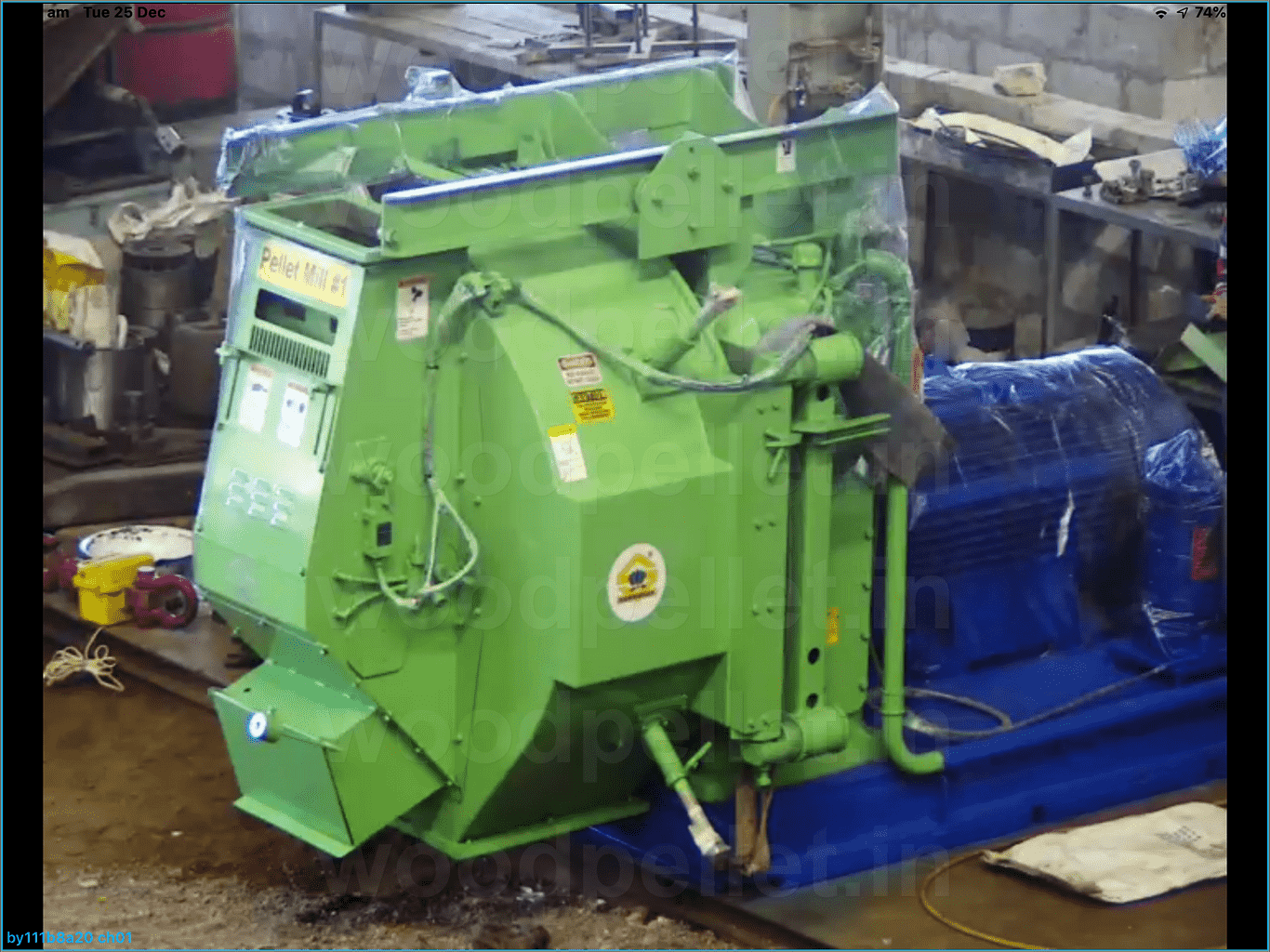
You may also have to purchase special machinery for making pellets, which can get pretty expensive. When the pellets come out of the pellet press, they will be hot and moist. If you’re making a small batch, spread them out on a flat area and allow them to cool and dry naturally for at least 24 hours.
You should also try to use the dry materials for your pellets as much as possible because these will be easier to dry and will end up being cheaper than wet materials. The die is made up of fixed-diameter slots whereby the biomass is forced to pass at high pressure. The drying process consumes the greatest energy, accounting for roughly 70% of the overall energy consumed in the pelletization process. Pelletization of biomass material is a common method for producing high-density energy sources from biomass. This entire process of biomass pellet manufacturing has now become efficient.
Under the nation’s new policy, wood harvested from native forests and burned to produce energy cannot be classified as a renewable energy source. Wood pellets are kind of cylindrical pellets made from wood sawdust and shavings, as well as other waste wood products like bark, slabs and chunks. Pellets are made from a variety of biomass, or organic materials, such as wood chips, bark, sawdust, brush and other byproducts of lumber milling and the manufacturing of wood products. Softwoods not suitable for construction materials, like poplar trees, may be grown specifically for pellets. Biomass pellets are made from either wood residue (sawdust, shavings and offcuts, which are by-products of wood processing), or from freshly cut timber especially felled for the production of wood pellets.



No comments:
Post a Comment